Water Damage in Reno: Immediate Steps Before Help Arrives
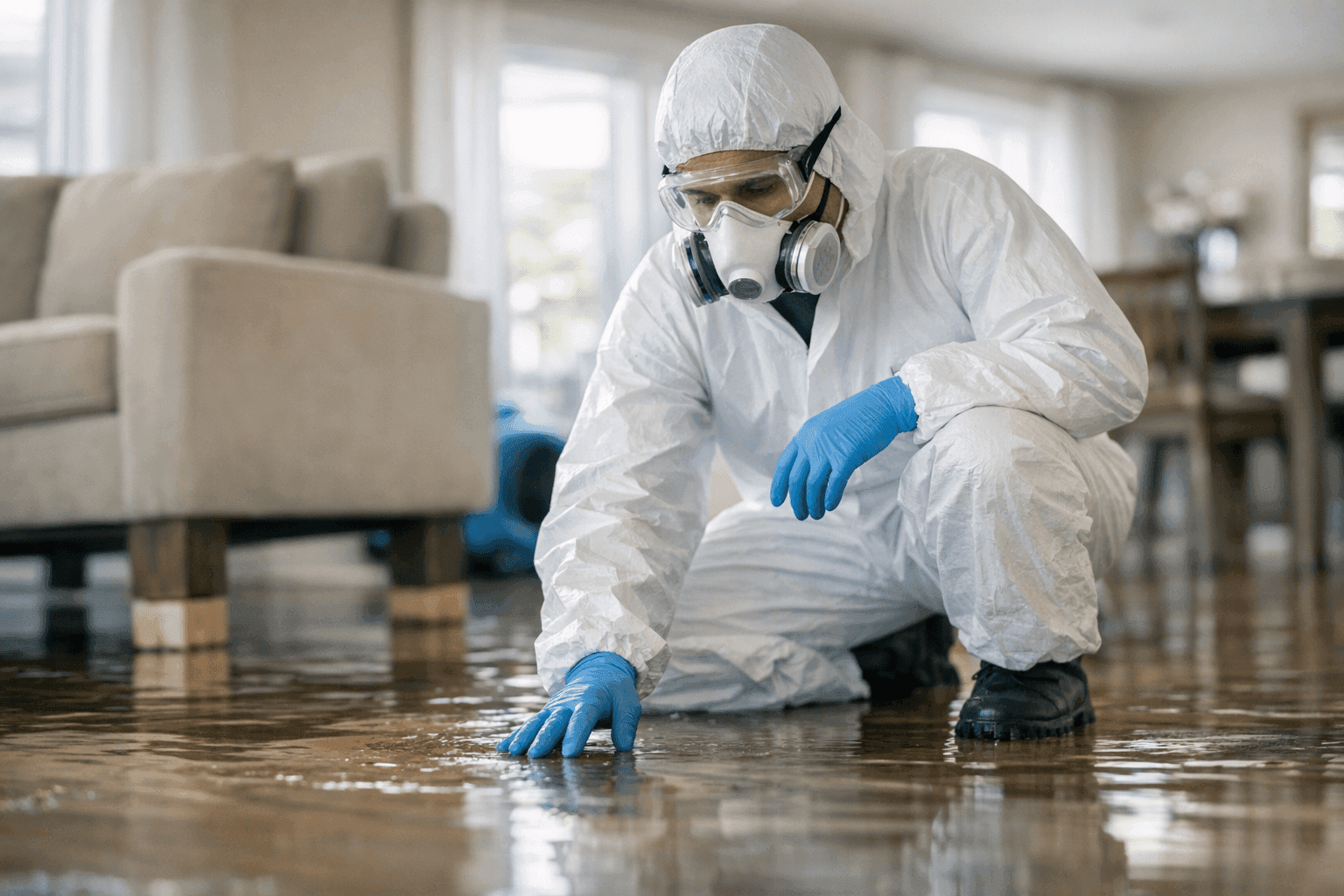
When water rushes into your Reno home—whether from a burst pipe, sudden snowmelt, or a summer thunderstorm—every minute counts. In just an hour, soaked carpets, warped floors, and hidden mold risks can spiral out of control.
At Super Best Water Damage, we've seen firsthand how fast water damage can spread. We know the Reno area, its climate, and the unique challenges homeowners face. This guide will help you act quickly, stay safe, and know exactly when to call for professional help.
Recognizing Water Damage Emergencies 🚨
Water doesn’t always knock politely before entering. Sometimes it barges in, making a mess you can’t ignore. Other times, it seeps quietly into crawlspaces or behind walls.
Signs of Water Damage
- Pools, puddles, or water stains on floors, ceilings, or walls
- Warped or buckling wood, peeling paint, or wallpaper
- Squishy carpets or rugs
- Musty, earthy odors (think wet socks left in a gym bag)
- Flickering lights or buzzing outlets near damp areas
- Visible mold or mildew, even in small patches
Common Causes in Reno Homes
Reno’s unique climate means water damage can strike in several ways:
- Snowmelt: Rapid thaws cause runoff, especially in spring. Melting snow on roofs or around foundations often finds its way indoors.
- Heavy Rain & Summer Storms: Sudden downpours can flood basements or overwhelm sump pumps.
- Frozen/Burst Pipes: Reno winters get cold. Pipes in exterior walls or unheated spaces can freeze, burst, and flood in minutes.
- Sewage Backup: Blocked sewer lines aren’t just a mess—they’re a health risk.
Seasonal Considerations
From icy winters to monsoon-like summer storms, Reno homeowners face year-round water threats. Keep an eye on weather alerts and know your home’s vulnerability during each season.
Immediate Safety Precautions
Water damage is more than a mess—it’s a safety risk. Before you grab a mop, pause and think safety first.
Essential Steps
- Shut Off Power: If safe to do so, turn off the electricity in affected areas. Never step into standing water if power is on.
- Avoid Contaminated Water: If the water is from a toilet, sewer, or is murky, treat it as hazardous. Don’t touch without proper gloves and boots.
- Keep Kids & Pets Away: Curious little ones and pets don’t know the risks. Keep them well clear.
- Use PPE: If you must enter, wear boots, gloves, and—if mold is visible—a mask rated for particulates (N95 or better).
- Monitor for Structural Hazards: Sagging ceilings, weakened floors, or unstable drywall can collapse.
According to the National Electrical Code and CDC guidelines, electrical and biological hazards are the most immediate risks in water damage situations.
Actions to Minimize Further Damage 🛑
Time is not your friend when it comes to water damage, but a few careful steps can make a big difference.
What You Can Do (Safely)
- Move Valuables: Lift electronics, photos, books, and sentimental items to higher ground.
- Begin Gentle Drying: If safe, open windows for airflow and use fans (once power is confirmed safe).
- Remove Excess Water: Mop or blot—don’t use a household vacuum on wet surfaces.
- Protect Furnishings: Place aluminum foil or wood blocks under furniture legs to prevent staining and swelling.
What to Avoid
- Don’t Use Electrical Appliances on Wet Surfaces.
- Don’t Attempt to Remove Heavy Debris: Wait for professionals to assess structural stability.
- Don’t Mix Cleaning Chemicals: Some combinations can produce dangerous fumes.
- Don’t Delay: Mold can begin to grow in as little as 24–48 hours.
Remember, a little caution goes a long way. DIY fixes can sometimes make matters worse or put you at risk.
When to Call a Professional
Some situations are simply too big, dangerous, or complex to tackle alone. Professional water damage teams like Super Best Water Damage have the tools and training to handle the job safely and thoroughly.
Why Rapid Response Matters
Water moves fast. So does mold. Every hour counts:
- Hidden Moisture: Water seeps into walls, subfloors, and insulation—places you can’t reach.
- Specialized Equipment: Industrial dryers, dehumidifiers, and moisture mapping tools are critical.
- Health & Safety: Professionals wear full PPE and follow EPA, OSHA, and local health guidelines.
What to Tell Us When You Call
- Source of Water: Do you know where it’s coming from? (e.g., broken pipe, storm, sewer)
- Extent of Damage: Which rooms or floors are affected?
- Safety Hazards: Is power off? Any structural issues?
- Any Known Contaminants: Is sewage involved?
Reno-Specific Experience
At Super Best Water Damage, we’ve responded to spring floods in Old Southwest, winter pipe bursts in Damonte Ranch, and basement seepage in Northwest Reno. Our technicians know the local codes, permitting requirements, and typical construction methods, which means faster, safer restoration for your home or business.
Real-World Tips for the First Hour 💡
- Don’t panic. Take a breath, then take action.
- Snap photos or videos of the damage—insurance will want proof.
- Keep a list of damaged items (furniture, electronics, appliances).
- If you rent, alert your landlord or property manager immediately.
- Never wade into deep water—hidden hazards could be life-threatening.
What the Pros Do on Arrival
Here’s what to expect when Super Best Water Damage arrives at your door:
- Assessment: We inspect the scene, check for safety hazards, and identify the water source.
- Water Extraction: Using high-powered pumps and vacuums, we remove standing water fast.
- Moisture Mapping: Advanced sensors find hidden moisture behind walls and under floors.
- Drying & Dehumidification: Industrial fans and dehumidifiers dry out your space safely.
- Sanitizing & Disinfection: We clean and sanitize every affected area to prevent mold and bacteria growth.
- Structural Repairs: From drywall and flooring to framing and contents, we restore what water tried to ruin.
Frequently Asked Questions
How soon should I call for water damage help?
Immediately. The sooner you call, the more likely your property and contents can be saved—and the less likely mold will take hold.
How long does water damage restoration take?
Minor incidents may take a day or two. Severe cases with structural repairs or mold removal can take a week or more. Every job is unique and depends on the extent of damage and drying time.
Is water from storms or snowmelt as dangerous as sewage?
Floodwater and sewage are both considered “Category 3” water by the IICRC (Institute of Inspection, Cleaning and Restoration Certification). Both can contain bacteria, chemicals, and waste—treat with extreme caution.
Will my insurance cover this?
Most homeowner policies cover sudden, accidental water damage (like a burst pipe), but not all flood events. Always check your policy and document everything.
Local and Seasonal Considerations in Reno
Reno’s elevation, climate, and seasons mean water damage risks shift throughout the year. Here’s what homeowners should remember:
- Winter: Insulate pipes in crawlspaces and attics. Know where your main water shutoff is.
- Spring: Clear gutters and check basements for seepage as snow melts.
- Summer: Watch for thunderstorms and flash flooding—especially in low-lying neighborhoods.
- Fall: Prep roofs and downspouts for winter storms.
We’ve helped Reno families through every season, and our 24/7 emergency service means we’re always ready.
Related Services
Need immediate help? Learn more about our Emergency Service and Water Extraction in Reno, NV capabilities.
Call for Rapid, Local Help
Water damage waits for no one. The first hour is crucial—but you don’t have to face it alone. Super Best Water Damage is ready 24/7, with experienced teams who know Reno and understand what’s at stake.
Call Super Best Water Damage now — or reach us anytime at (775) 415-9944 .